
Pre-Kindergarten
Building Self-Confidence, Solidifying Peer Relationships, Mastering Social Emotional Skills and Building for the Future
PRE-K
Children who are 4 years old by October 1
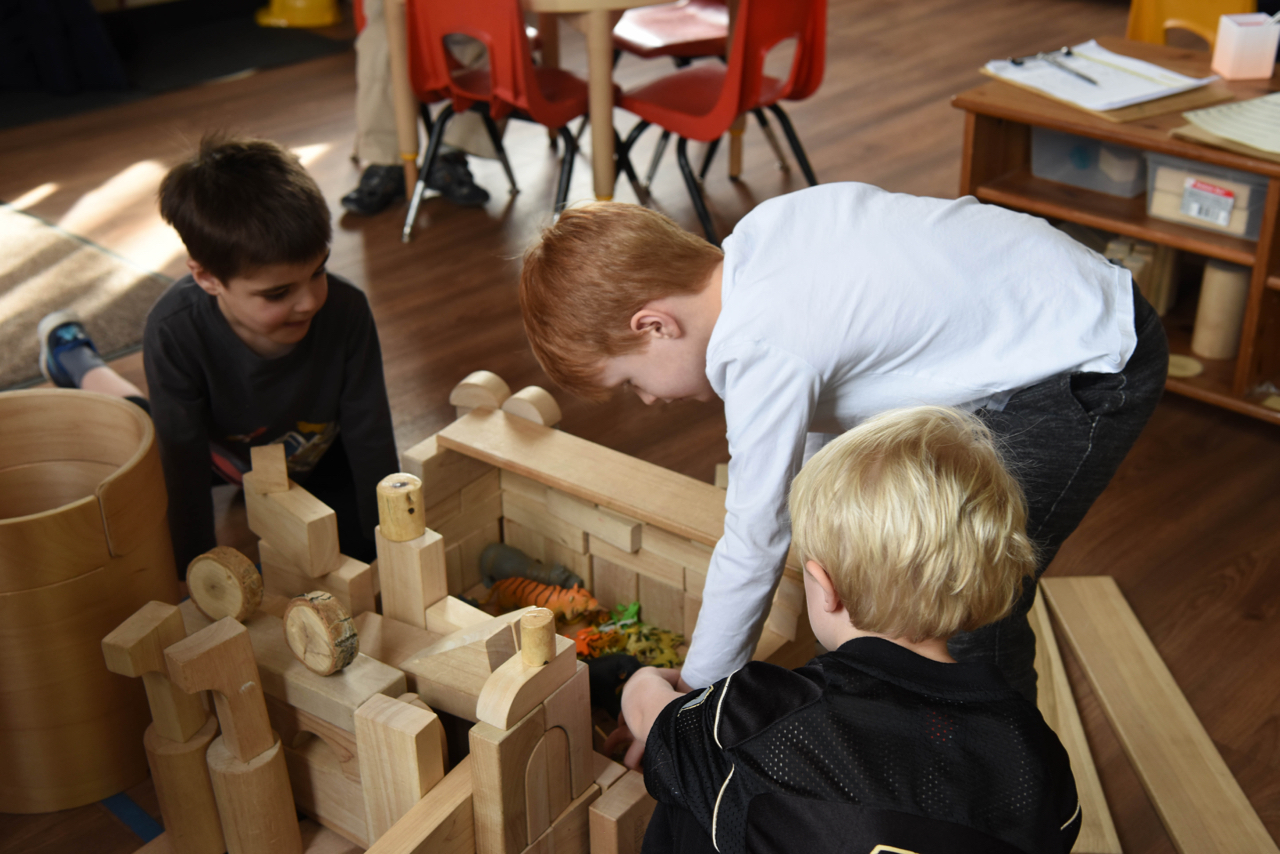
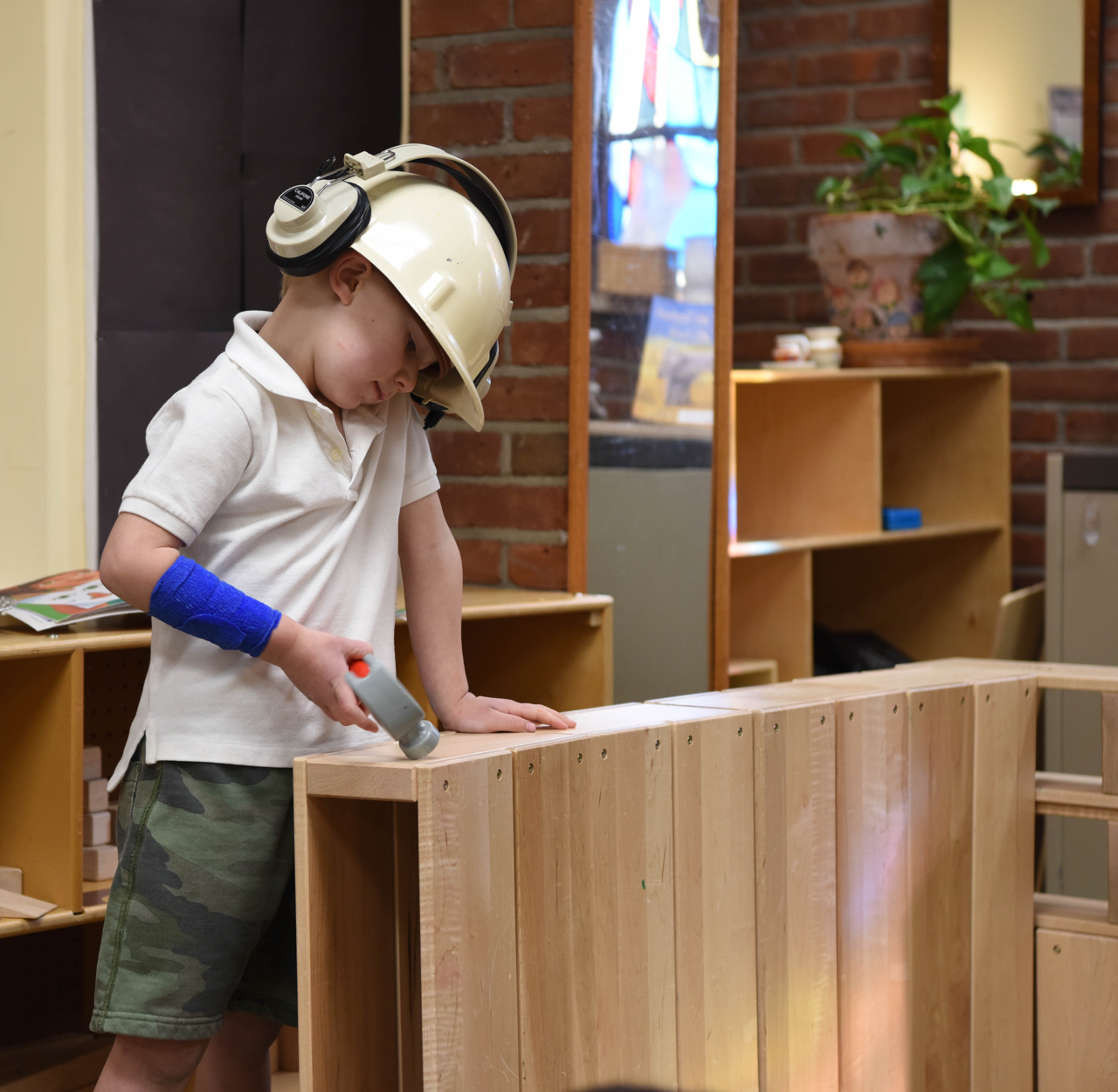
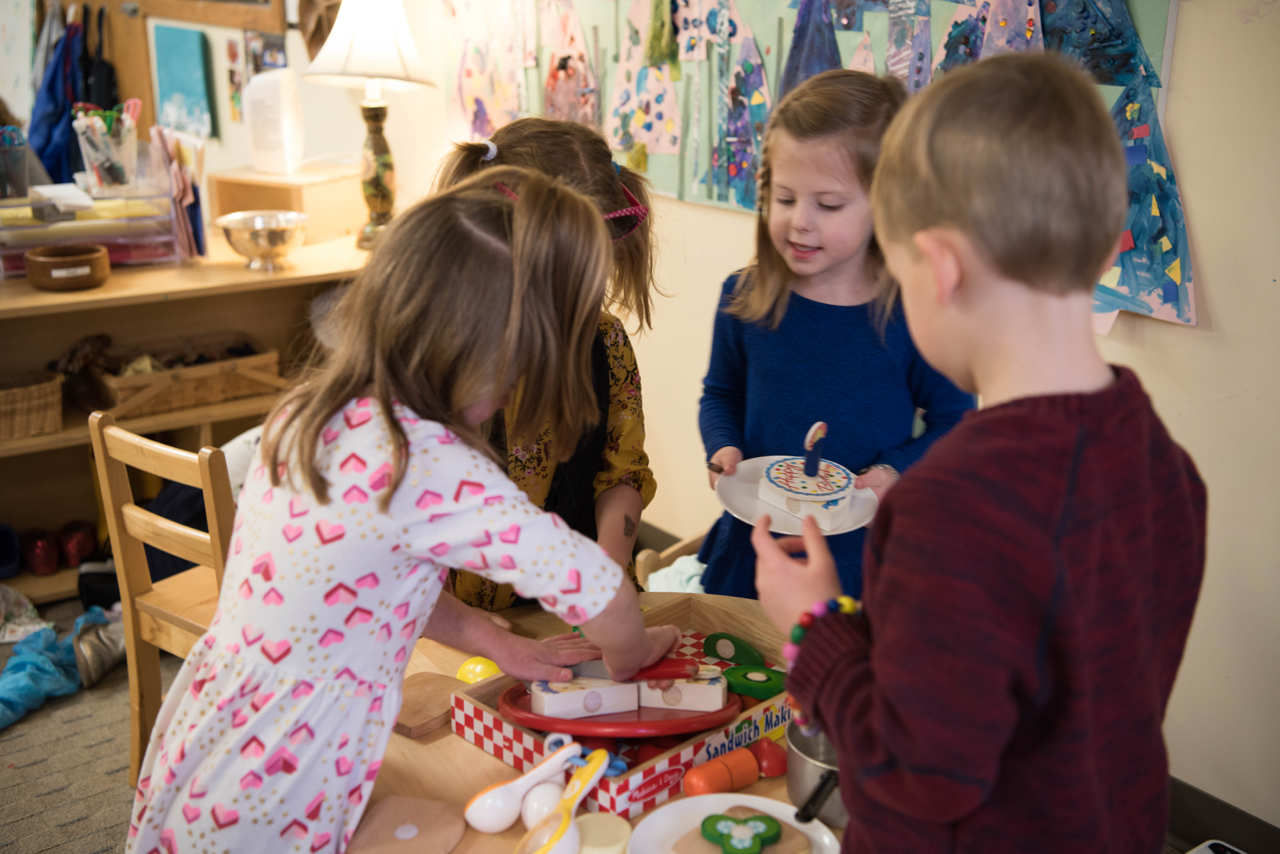
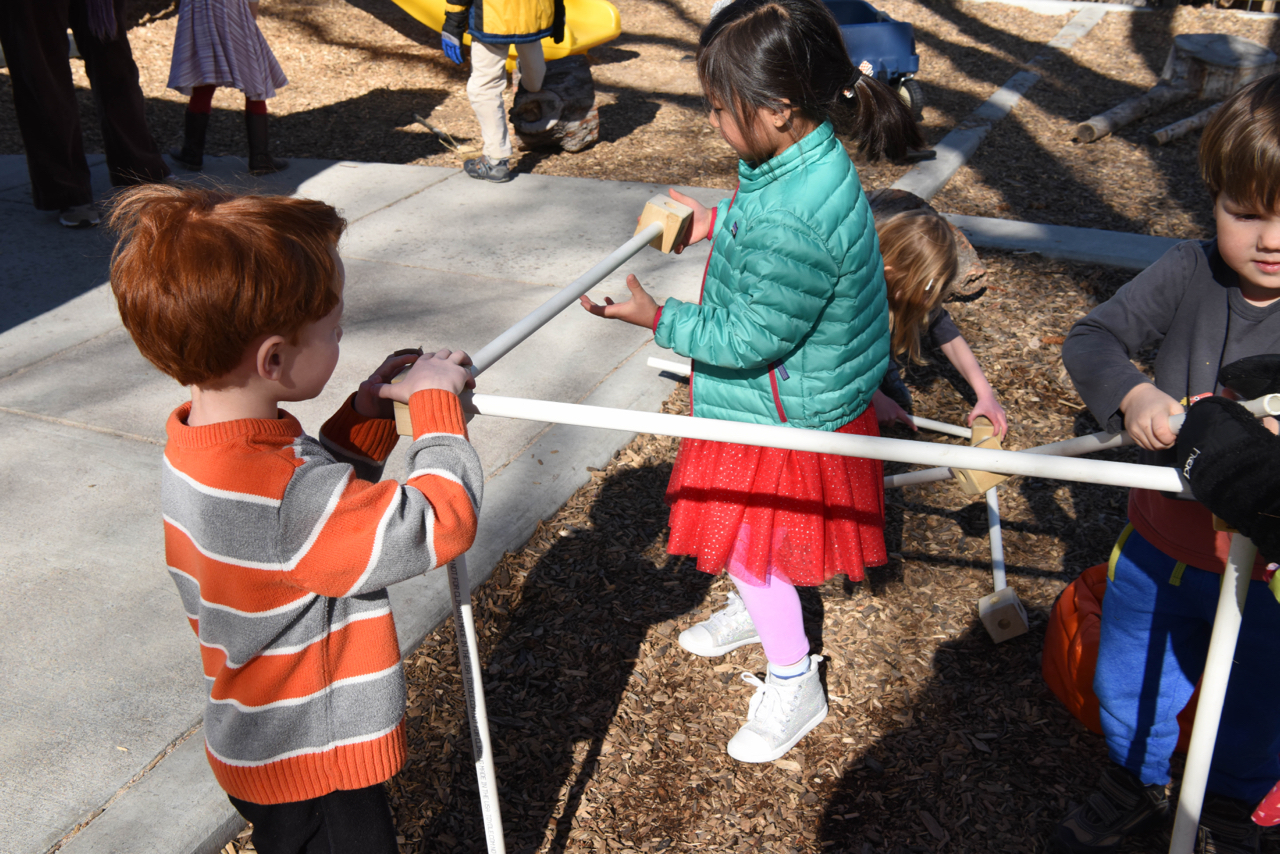
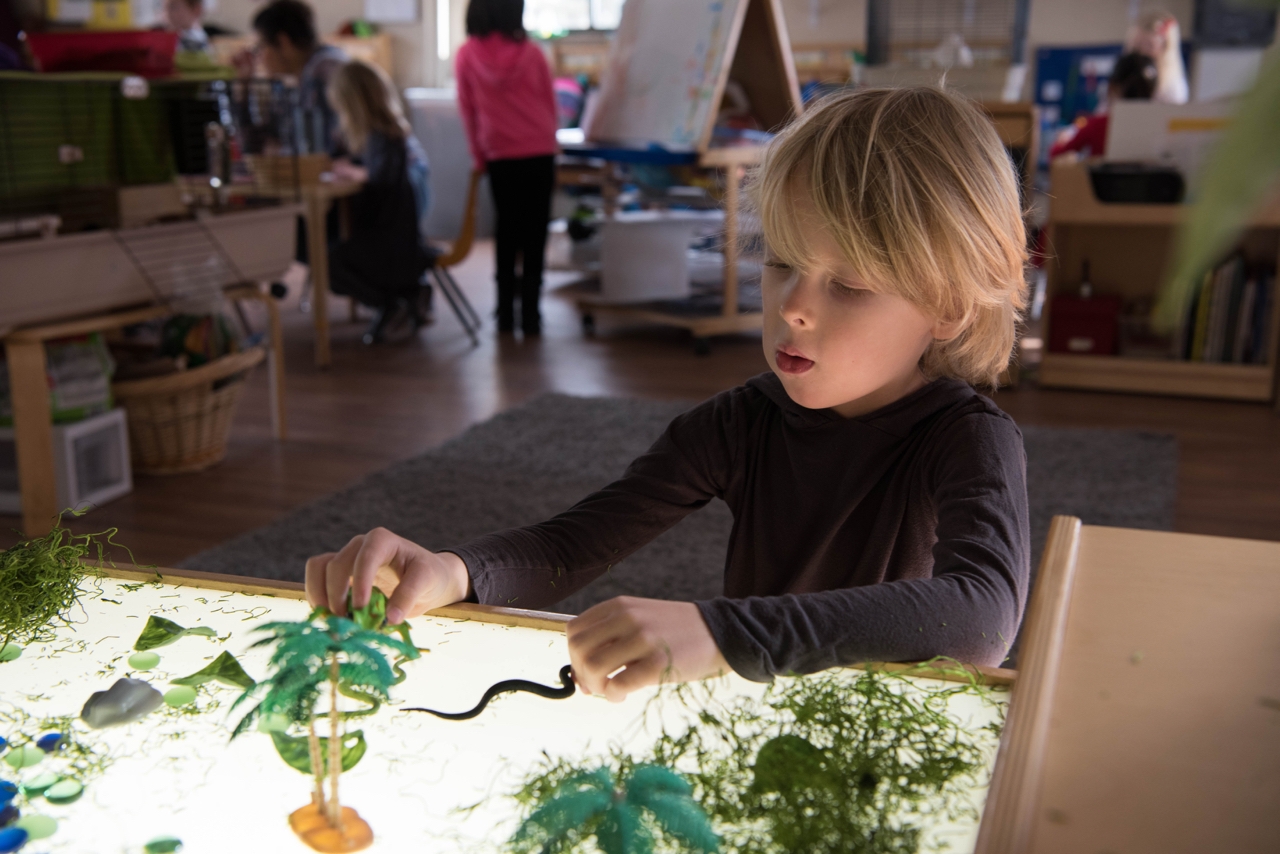
In our Pre-K classroom, children are immersed in opportunities for imaginative and constructive play within a thoughtfully prepared environment. An open forum for sharing ideas encourages collaboration, sophisticated language use, and rich role-play experiences. Children are supported in a socially and emotionally safe space where mistakes and social missteps are viewed as part of learning. With guidance and coaching as needed, children practice negotiation, compromise, and conflict resolution as they navigate their social world.
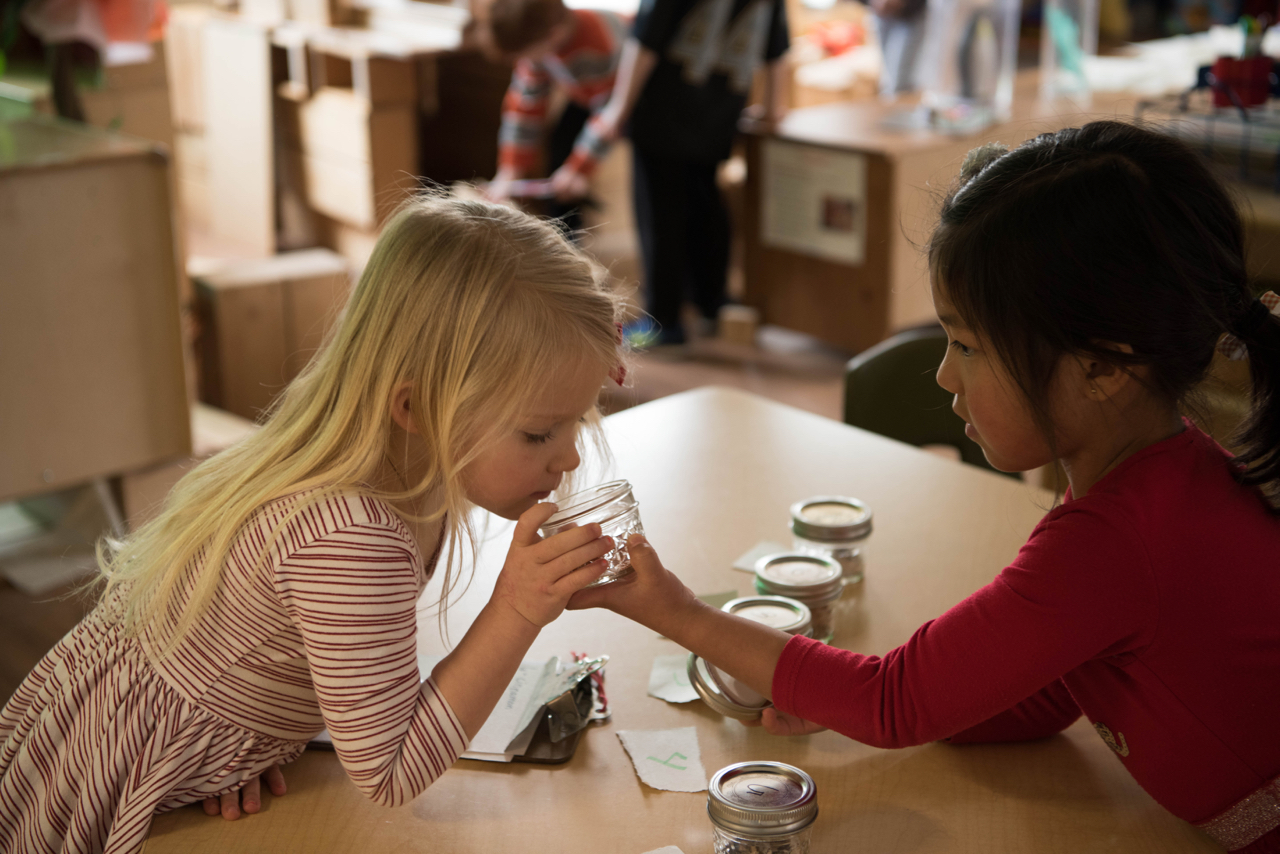
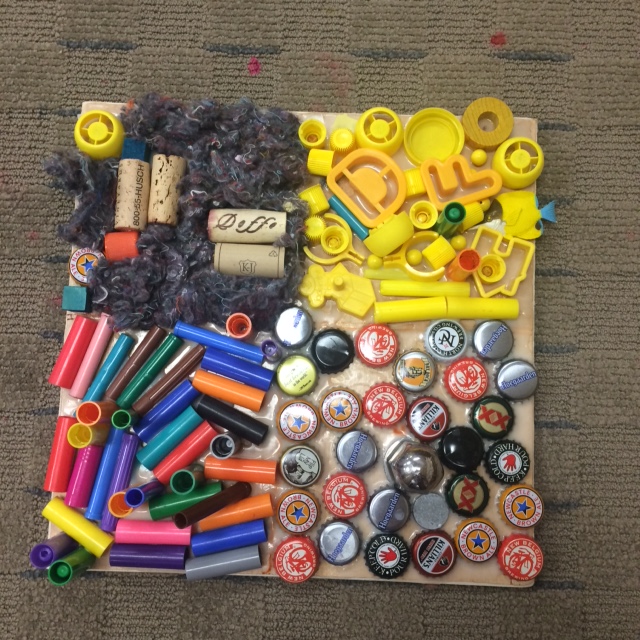
Provocations for investigation are consistently introduced to spark curiosity, creative and critical thinking, and problem-solving. Children are encouraged to make predictions, test ideas, and apply strategies as they work through challenges. Kindergarten readiness skills are naturally embedded across the day as interest in literacy, math, and science develops alongside growing social-emotional maturity.
As attention spans lengthen, planning, creating, revising, and reflecting become part of everyday work. Complex structures, innovative creations, and extended, in-depth play scenarios emerge. A wide variety of materials and media invite imagination and creative expression, nurturing confidence, independence, and joy in learning.
Class hours: 9 AM–1 PM
For class offerings and tuition, please click here.
About Pre-k Children
Children who are four and five years old are increasingly independent and socially aware. They begin choosing their own friends and may form close friendships. Their speech is typically clear and expressive, with rapidly expanding vocabulary. Independence shows up in daily choices—what to wear, what to eat, and which activities to pursue—and growing self-help skills are expected.
At this age, children may experience frustration as their desire for independence sometimes exceeds their perceived skill mastery. They are capable of handling simple responsibilities such as caring for pets, tidying, helping with meal preparation, and assisting with household tasks—experiences that foster confidence, responsibility, and a sense of purpose.
Four- and five-year-olds are active, agile, and increasingly aware of their emotions. Self-regulation becomes more predictable, and children continue building the skills needed for success in elementary school. Our curriculum is grounded in an understanding of their developmental growth across the following areas:
SOCIAL EMOTIONAL: Four and five year-olds are beginning to develop better interpersonal skills and are more successful at interacting with others in different settings and circumstances. They take turns and share more consistently, though they may not want to. Generally, they are more sensitive to others’ feelings. Improved emotional control and self-regulation are more consistent and predictable, though children this age do experience emotional extremes and contradictions. They engage peers in conversation; they are increasingly curious, appropriately ask for help, and recognize their feelings and respond more appropriately. They are developing more positive problem solving strategies and exhibit more focus and attention to tasks. Children this age begin to understand the difference between right and wrong, though they may not always do the right thing.
Social-Emotional Development
Children are developing stronger interpersonal skills and interact more successfully across settings. Turn-taking and sharing improve, though challenges still arise. They show greater sensitivity to others’ feelings and more consistent emotional regulation, while still experiencing occasional emotional extremes. Children increasingly ask for help appropriately, recognize and name their feelings, and use more effective problem-solving strategies. A growing understanding of right and wrong emerges, even as children continue to practice making thoughtful choices.
Play
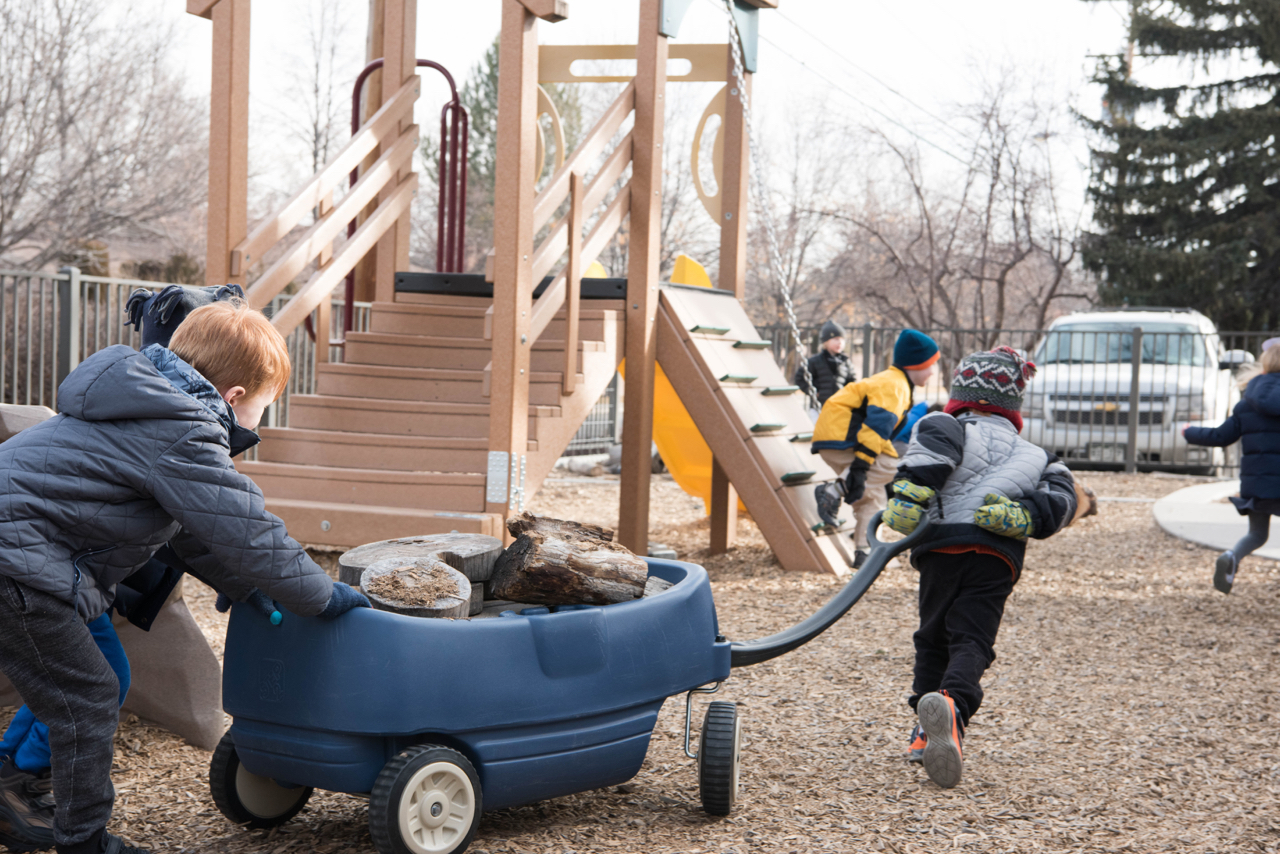
Play becomes more cooperative, imaginative, and sustained. Children often revisit and extend play from previous days, adding rules, ideas, and complexity. Building is intentional and detailed, with structures supporting rich, innovative dramatic play. Simple competitive games are enjoyed, though losing can still be challenging.
Motor Development
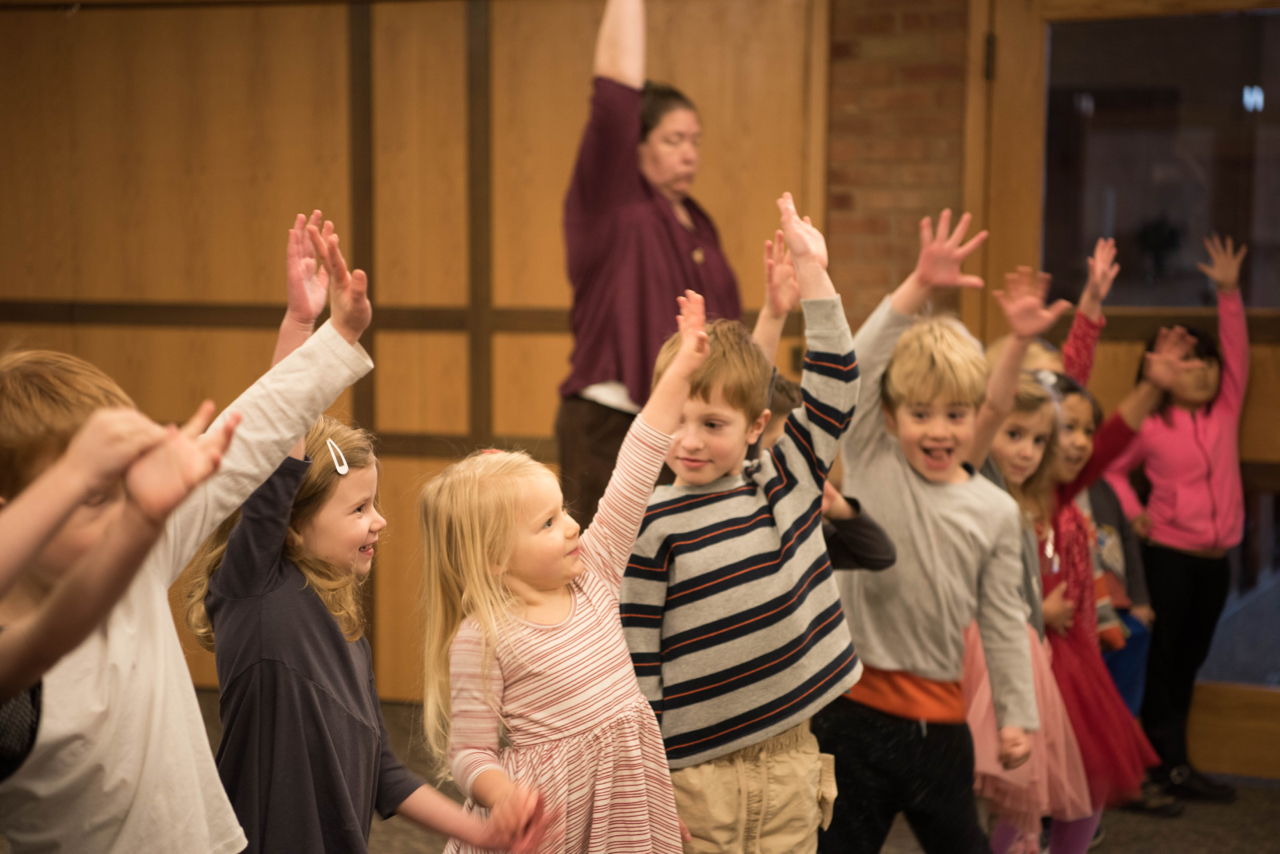
Gross motor skills are more refined as children climb, run, skip, and jump with increased coordination and confidence across varied surfaces. Scooters, bikes, and playground equipment are used with greater skill and precision. Fine motor development advances as eye-hand coordination improves, scissor skills strengthen, and the conventional three-finger grasp supports controlled drawing and early writing.
Language & Literacy
Language development accelerates during this stage. Children demonstrate strong comprehension and expressive language skills, sharing detailed stories with clear beginnings, middles, and ends. Vocabulary, sentence complexity, and grammatical understanding expand, and conversations become longer and more nuanced. Interest in books and reading grows, along with emerging phonological awareness, letter recognition, and an understanding that print carries meaning. Writing is increasingly used as a tool for expression, and children delight in rhymes and word play.
Cognitive Development
Children approach learning with curiosity, focus, and an increasing attention span. Problem-solving skills strengthen as they integrate prior knowledge with new experiences and make meaningful connections. Mathematical thinking becomes more evident through comparing, sorting, measuring, and early operational reasoning. Children practice predicting and forecasting, create recognizable representational drawings, and grow more aware of individual and cultural differences.