Early Preschool
Building Connections and Strengthening Relationships
Early Preschool (Toddlers)
Children who are 2 years old by October 1
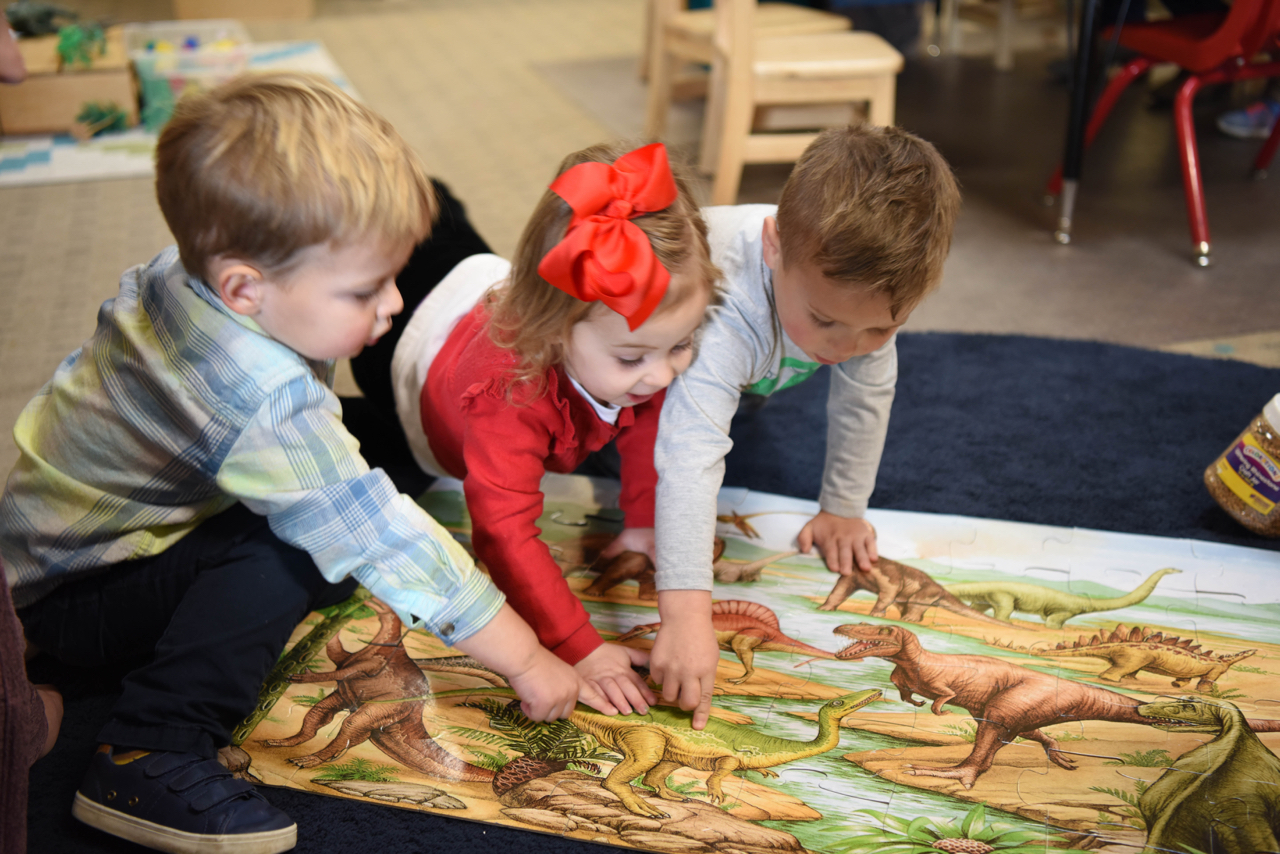
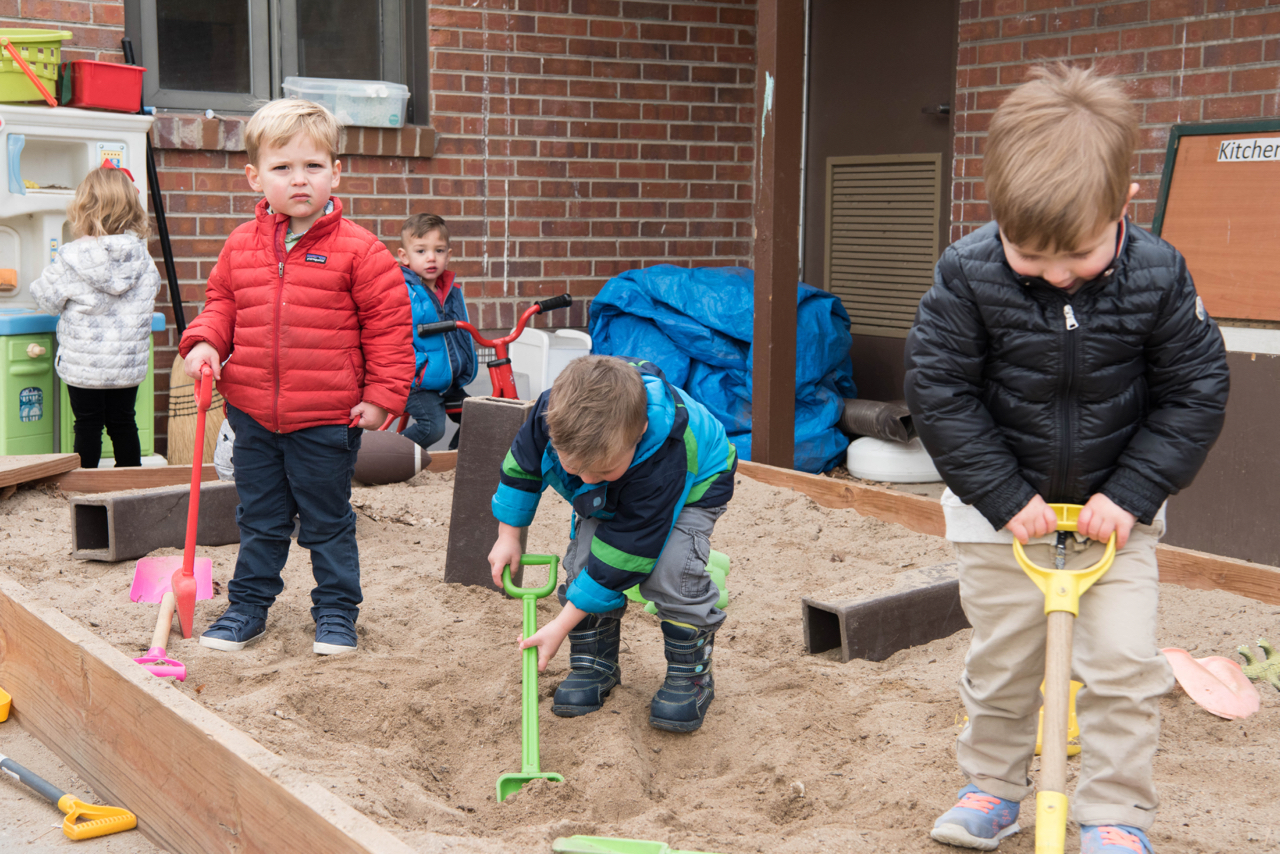
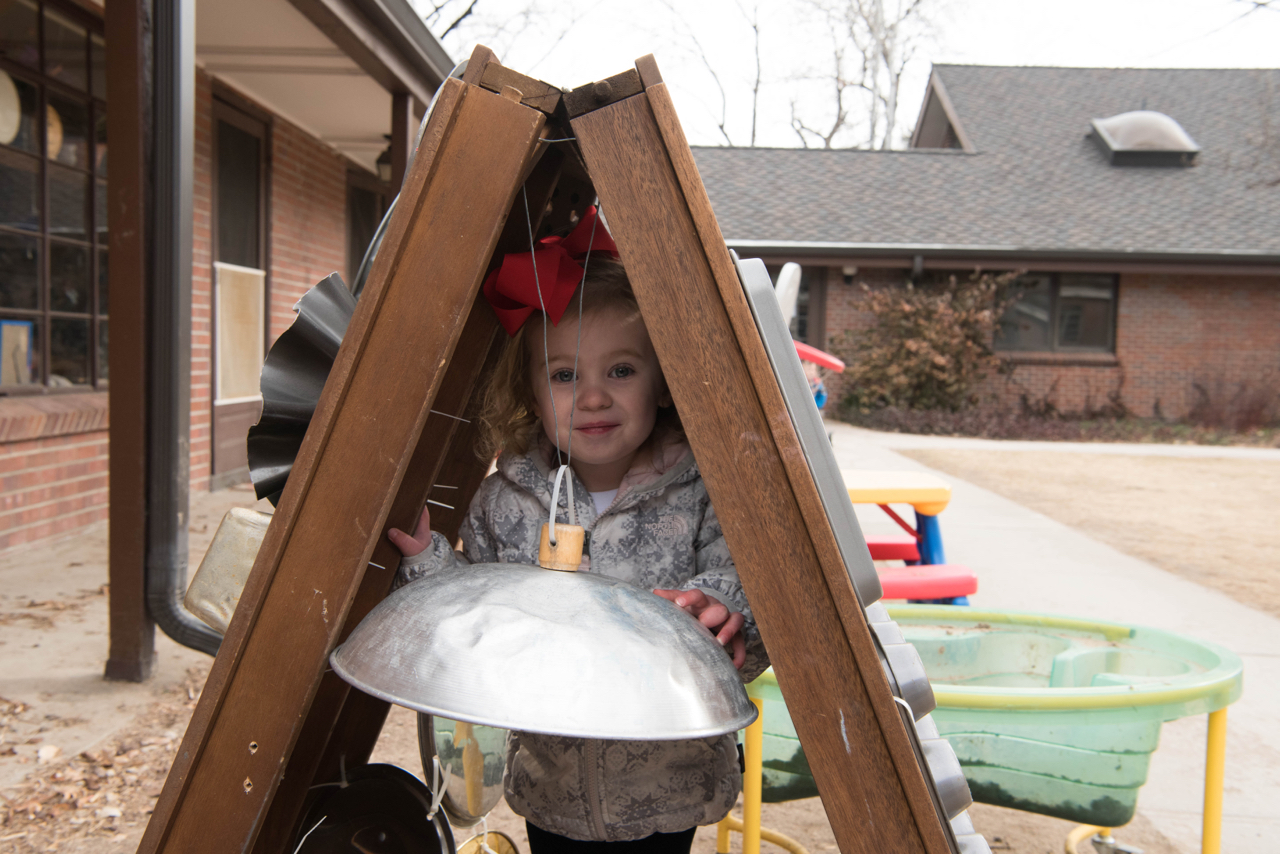
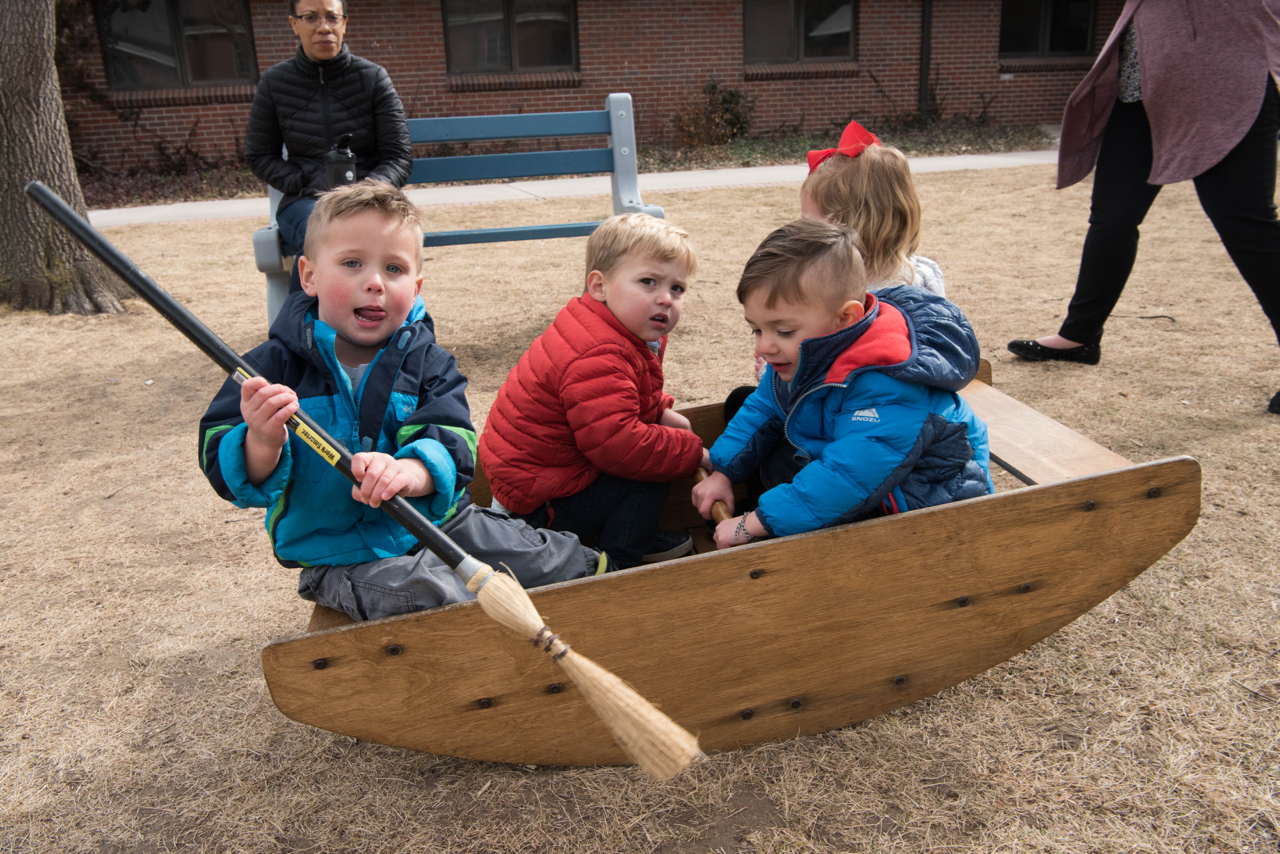
In Early Preschool, experiences are intentionally designed to promote frequent and meaningful interactions with both adults and peers, recognizing that relationships are central to learning at this age. A rich variety of materials and experiences invite simple problem-solving through trial and error, allowing children to practice skills and work toward mastery at their own pace.
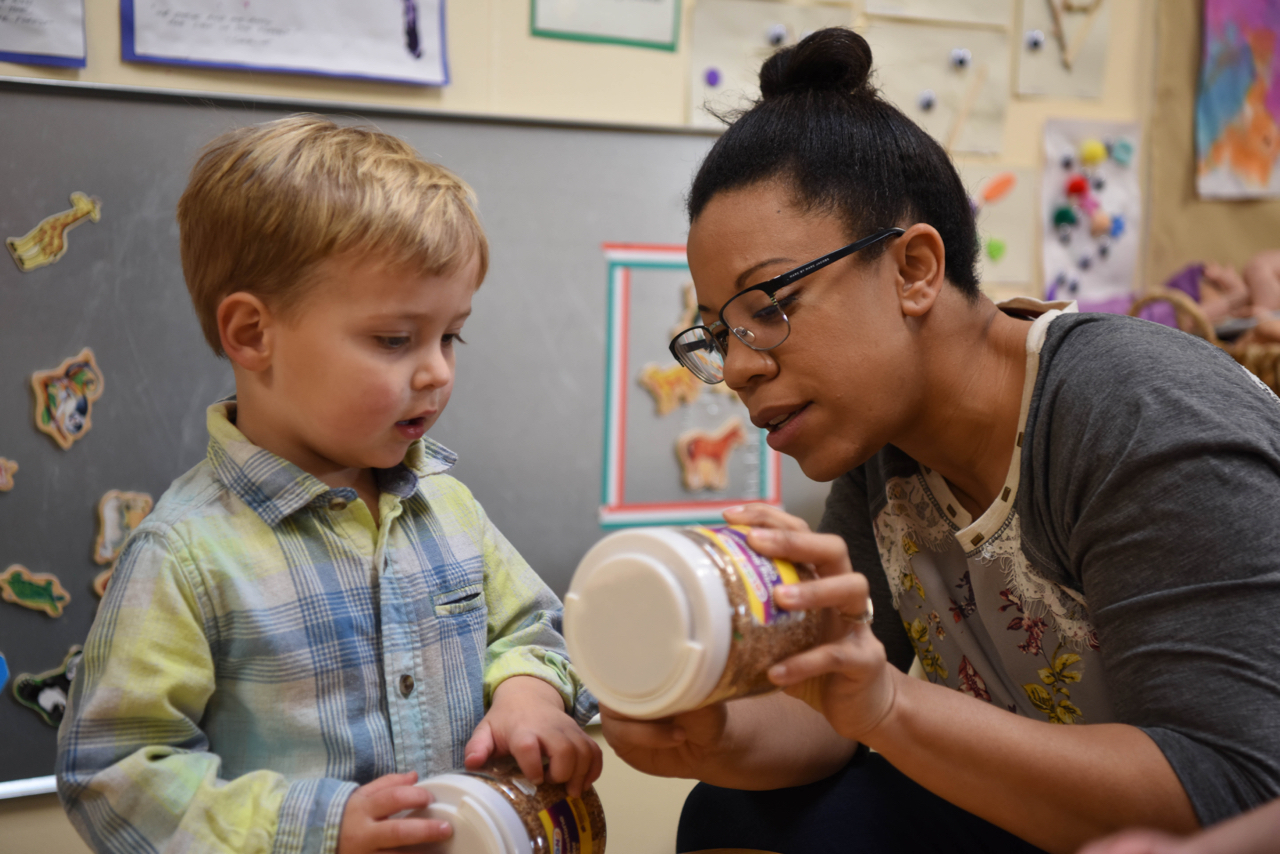
Exploration of art materials supports sensory learning, while teachers model rich, responsive language that encourages curiosity and early questioning—“how,” “what,” and “why.” Opportunities for sustained pretend play allow children to process their experiences, build understanding, and make sense of the world around them through play.
Class hours: 9 AM–1 PM
For class offerings and tuition, please click here.
About Early Preschool Children
Older toddlers (typically 24 to 32 months old) are developing a strong sense of self and independence. They are motivated to exert control over their environment and learn by actively testing ideas as they build understanding of how the world works. Communication skills grow rapidly during this stage as children become more able to express their needs, wants, and ideas, alongside expanding conceptual understanding.
Our curriculum for Early Preschool is grounded in an understanding of toddlers’ developmental growth in the following areas:
Social-Emotional Development
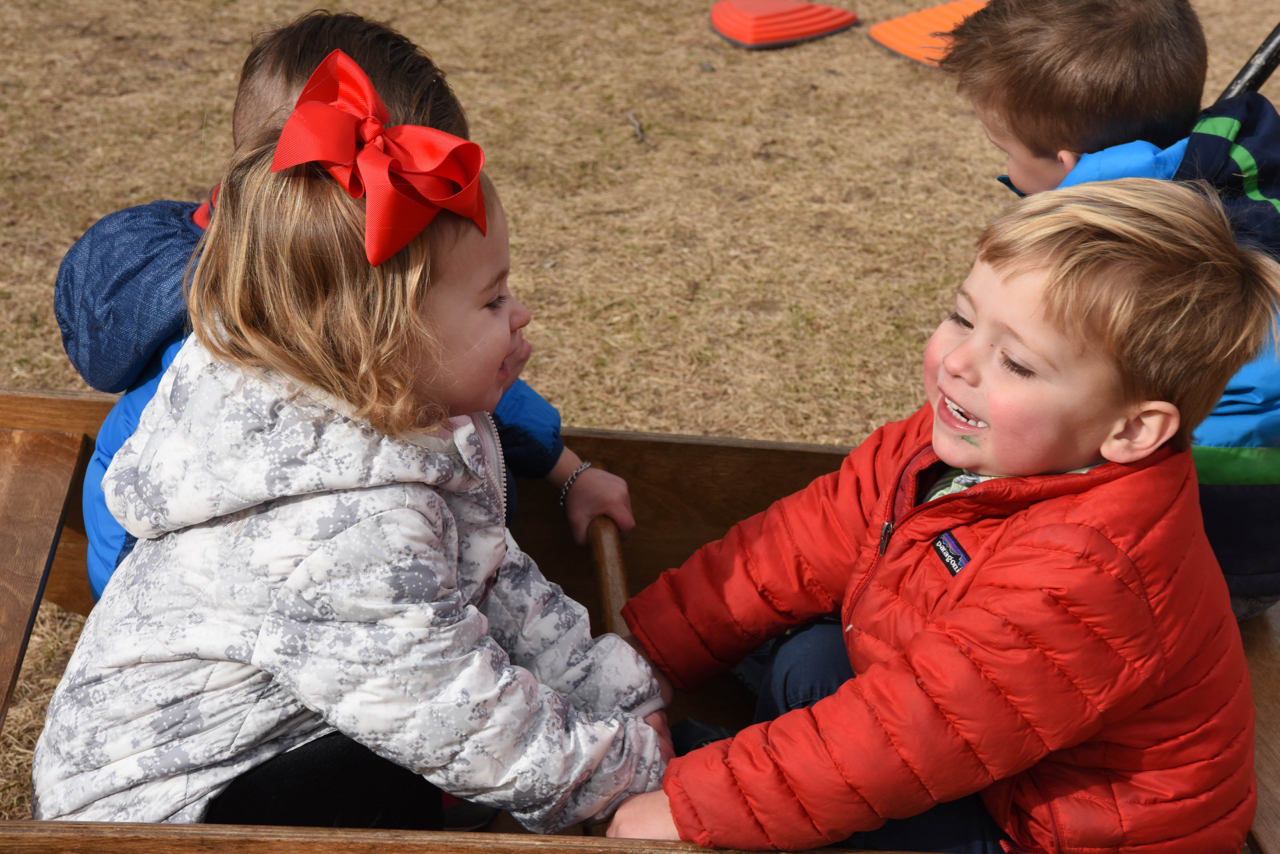
Older toddlers increasingly interact with adults and peers to explore and solve problems. Early friendships begin to form as children engage in more complex social interactions. Emotional expression becomes more nuanced, and children begin to show emerging empathy and awareness of others’ feelings. Strong relationships with trusted adults remain essential, and children often seek comfort and reassurance when distressed. At this age, children also enjoy helping in simple, meaningful ways.
Play
Play for older toddlers is often parallel—children play side by side, observing and noticing one another without sustained interaction. This marks the beginning of their desire to be with peers. As development progresses, toddlers begin to engage in short periods of cooperative play, assume simple roles, and participate in symbolic and pretend play. Through these experiences, children often act out emotions and real-life scenarios, deepening their understanding of themselves and others.
Motor Development
Gross motor skills continue to strengthen as toddlers move with greater coordination, balance, and confidence. They explore their environment through active movement—pushing, pulling, carrying, and climbing—while integrating sensory information. Fine motor skills become more refined as children use their hands and fingers with increasing control to manipulate objects and materials.
Language & Literacy
Older toddlers delight in books and shared reading experiences. They listen attentively, imitate sounds and words, repeat familiar phrases, and often comment on or ask questions about stories. Vocabulary grows quickly as children combine words into short sentences and engage in frequent back-and-forth conversations that are increasingly understood by adults.
Cognitive Development
Children at this age are developing an understanding of cause and effect and begin making simple predictions about what will happen next. They use early conceptual language related to size, location, and quantity, complete simple puzzles, and enjoy imitation and repetition. Toddlers begin sorting and grouping objects by a single attribute and act with growing purpose as they work toward desired outcomes. Attention spans extend to several minutes, especially during engaging, hands-on activities.